You’ve probably packed the tent, stove, and sleeping bag, but it’s the small items that derail trips. To avoid that frustration, bring a short list of often-forgotten essentials—toilet paper, a reliable fire starter, spare socks, tent stakes, and a basic first-aid kit—and tuck backups for batteries and lighting into your pack.
This post walks through the most commonly missed pieces of gear and shows simple, actionable packing strategies that prevent last-minute runs or ruined plans. Follow these tips and you’ll spend more time enjoying the outdoors and less time hunting for the things you left at home.
Most Forgotten Camping Items
A few small items can derail your trip faster than a missing lighter or wet matches. Focus on compact, high-impact gear that solves common campsite problems quickly.
Cooking Essentials Frequently Overlooked
You might pack a stove but forget a fuel canister that fits it. Check stove model and bring at least one spare fuel canister or a refill adapter.
A dedicated lighter and waterproof matches save time when damp wood refuses to light. Store them in a small waterproof container with cotton balls or tinder tabs.
Bring a manual can opener and a multi-tool with a serrated blade; many camp foods come in cans or thick packaging. Pack a small bottle of dish soap, a scrub pad, and a collapsible basin for washing dishes to avoid food smells and wildlife attraction.
Don’t forget utensils: a set of reusable plates, cups, and cutlery plus a sharp kitchen knife and a cutting board. Finally, include aluminum foil, a pot lifter or heat-resistant gloves, and a spare pot or pan if you plan for group meals.
Easily Missed Personal Care Items
Toilet paper is small but essential—keep a travel roll in a sealed plastic bag. Bring a trowel or wag bag if the site requires human waste packing; regulatory compliance avoids fines and environmental harm.
Extra socks and a quick-dry towel make a big comfort difference when you get wet. Pack foot powder or anti-blister tape if you’ll hike long distances.
Sunscreen and insect repellent often get left behind; choose travel-size bottles and resealable pouches. Include a small first-aid kit with blister treatments, antiseptic wipes, tweezers, and any personal medications in labeled containers.
Add hand sanitizer, biodegradable wipes, and a spare toothbrush—you’ll appreciate these during multi-day trips or when water is scarce.
Often Ignored Emergency Gear
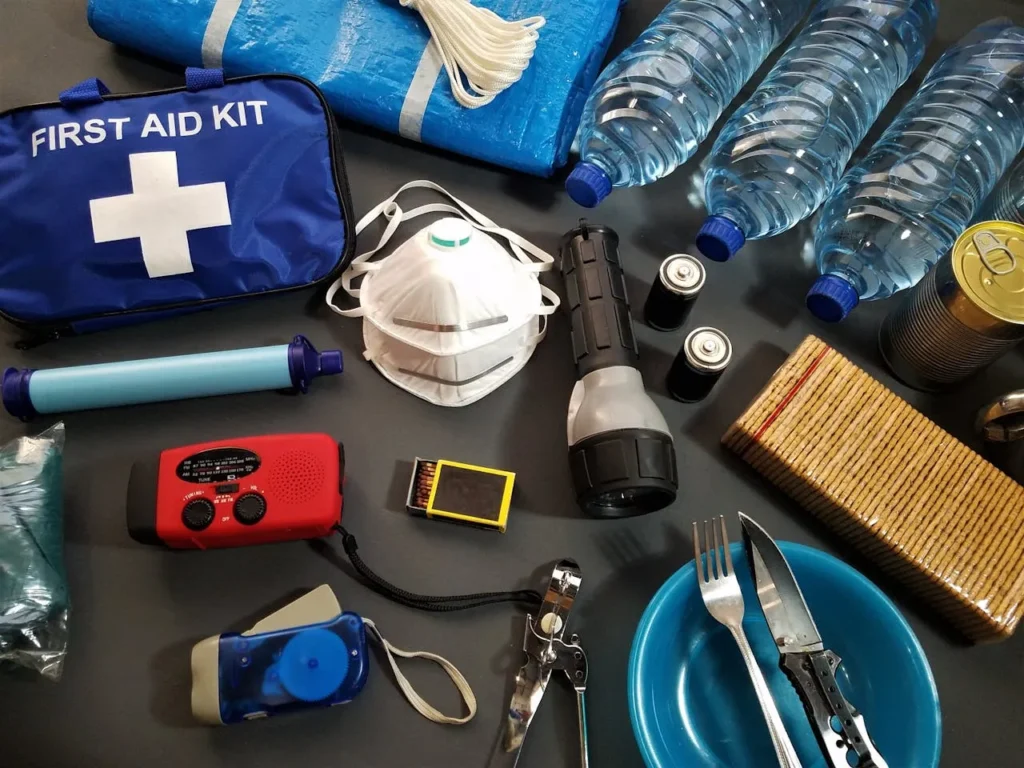
Batteries for headlamps, flashlights, and GPS units are frequently forgotten. Store spare batteries in a labeled, waterproof pouch and test devices before you leave.
Bring a compact emergency kit: whistle, reflective blanket, waterproof matches, a reliable multi-tool, and a small roll of duct tape. Include a USB power bank and appropriate charging cables for your devices; solar chargers can help on longer trips.
Navigation backups matter: carry a paper map of the area and a compass even if you have a GPS. Finally, pack a small repair kit for tents and sleeping pads (patches, spare guylines, and extra tent stakes) to fix common failures without cutting your trip short.
Smart Packing Tips to Avoid Leaving Items Behind
Plan which items you need for sleeping, cooking, hygiene, and emergencies, and group them by where you’ll store them in your car or pack. Use clear labels and a simple staging area at home to check gear before you leave.
Creating a Personalized Camping Checklist
Make a checklist that matches your specific trip: nights, weather, cooking style, and guests. Start with categories (Shelter, Sleep, Cook, Clothing, First Aid, Tools, Personal) and list exact items and quantities — for example, 2 spare tent stakes, 4 fuel canisters, 1 20-ft length of paracord.
Use a digital checklist on your phone or a printed laminated sheet you can tick off. Add a “last-minute” line for items you use daily at home (phone charger, wallet, prescription meds). Review and update the list after each trip so it reflects what you actually needed.
Before departure, stage items by category in one place and run through the list aloud while loading. That habit catches small items like batteries, sunscreen, and trash bags before they get left behind.
Packing Strategies for Organized Campsites
Assign each person a color or bag type for personal items to prevent mix-ups. Use clear zip bags for small gear: one for toiletries, one for cooking utensils, one for first aid. Label bags with a marker or colored tape for fast visual checks.
Pack frequently used items in easy-to-reach places: snacks and headlamps in the car cabin, rain gear on top of the pile, and the first-aid kit in a glovebox or cooler-top compartment. Store heavy items low and toward the vehicle’s center to keep the load stable.
Create a departure checklist that mirrors arrival: sweep the campsite, check tent pockets and vehicle footwells, and inspect the fire area. A quick 60-second walk-around using the checklist saves time and prevents forgetting small but critical items.