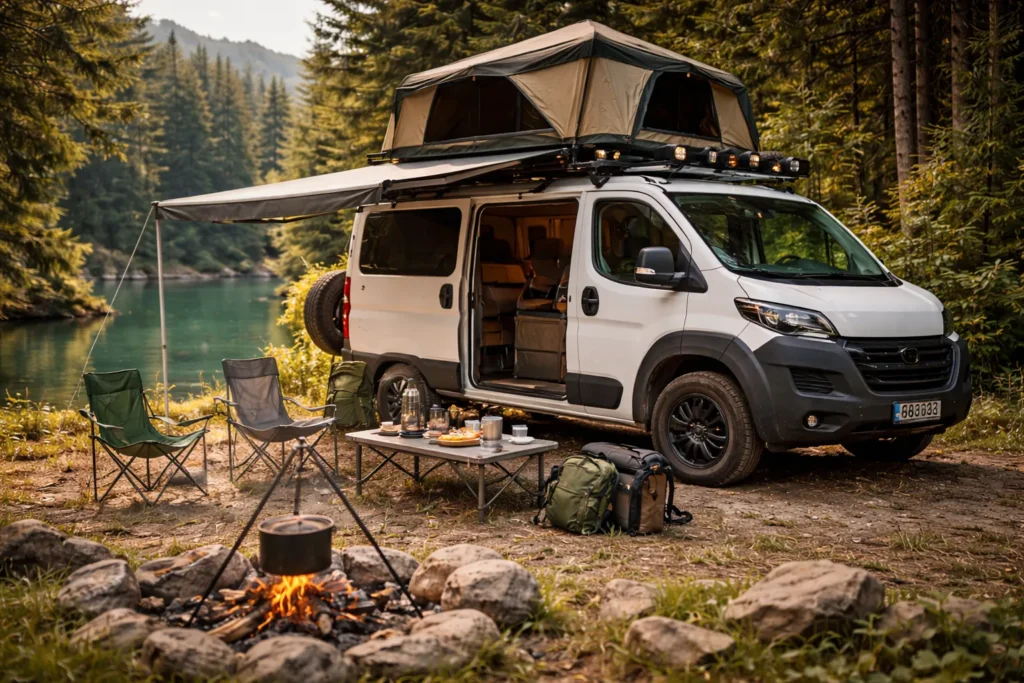
Car camping can give you comfortable nights under the stars without emptying your wallet. You’ll learn which affordable essentials truly matter—sleep system, shelter, basic cooking gear, lighting, and simple tools—so you can pack light, spend less, and still enjoy a great trip. You can camp well on a budget by prioritizing versatile, low-cost items and smart shopping strategies that replace expensive specialty gear.
This post shows practical ways to outfit your car for overnight trips, find used or multipurpose equipment, and cut costs on food and fuel without sacrificing comfort. Expect checklists, thrift-friendly shopping tips, and quick swaps that keep your setup reliable and affordable.
Affordable Car Camping Essentials
You can cut costs without sacrificing comfort by choosing durable, multi-use items and shopping smart. Focus on a simple shelter that fits your vehicle, a warm yet compact sleep system, and a basic cook setup that runs on cheap fuel.
Budget-Friendly Shelter Solutions
Pick a tent sized for two people if you camp solo; it saves weight and money while giving you room for gear. Look for 2–3 season tents with a straightforward pole design and a full-coverage rainfly; brands in the $60–$120 range often hit that balance.
Consider alternatives like a tarp-and-strap setup or a rooftop cargo bag if your car has a roof rack; tarps cost $20–$40 and pack extremely small. Use a footprint or inexpensive groundsheet (one made from heavy-duty plastic or a cut silpoly scrap) to protect the tent floor—this prevents repairs and extends life.
Shop used gear from local thrift stores, REI Outlet, Facebook Marketplace, or GearTrade to save 40–70%. Inspect seams, zippers, and poles in person when possible, and carry basic repair items: duct tape, extra cord, and tent seam sealer.
Low-Cost Sleeping Gear
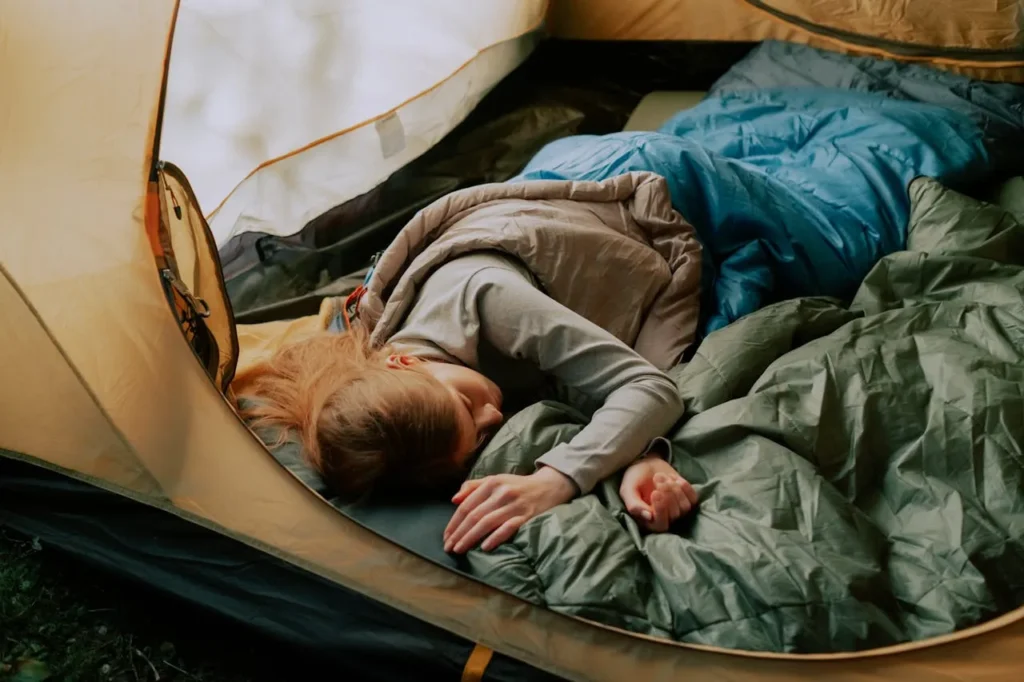
A quality sleep system centers on warmth and comfort, not brand names. Choose a synthetic fill sleeping bag rated to at least 10°F below the coldest expected night; synthetic is cheaper and dries faster than down. Expect good budget bags in the $40–$100 range.
Add a closed-cell foam pad for insulation under a compact inflatable pad; foam pads cost $10–$25 and prevent heat loss to the ground. Pairing a lightweight 2–3 inch inflatable pad ($30–$70) with foam gives comfort and redundancy.
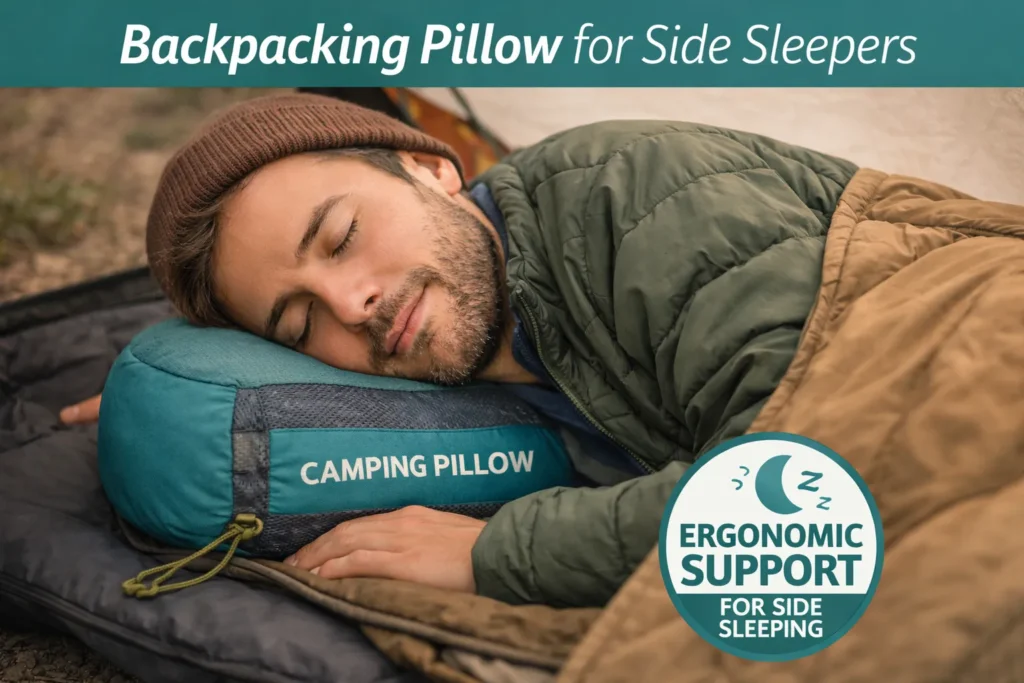
Bring a compressible pillow or use a stuff sack filled with clothes to save money. Wash and store gear properly to maintain loft and lifespan; a well-cared-for budget bag performs like a new mid-range bag for years.
Inexpensive Cooking Equipment
Prioritize a single-burner canister stove or an alcohol stove for simple, reliable cooking; small canister stoves run $25–$50 and heat water fast. Carry a lightweight pot (1–1.5 liters) made of anodized aluminum for boiling and frying; those typically cost $15–$35.
Keep the kit minimal: one pot, a spork, a small knife, and a collapsible silicone cup. Use fuel-efficient habits—lid on the pot, pre-measured meals, and boiling only as much water as needed—to stretch fuel and reduce trips.
Buy a basic camping cookware set used or at discount retailers, and stock multi-use items like instant rice, dehydrated meals, and a small bottle of olive oil to simplify cooking. Store fuel in compliance with local rules and bring a lighter and waterproof matches as backup.
Saving Money on Car Camping Trips
You can cut major costs by packing efficiently, choosing low-cost or free campsites, and making simple gear upgrades yourself. Focus on multipurpose items, fuel and fee savings, and DIY solutions that replace expensive purchases.
Smart Packing Tips
Prioritize items that serve multiple roles to avoid buying extras. Bring a 3-season sleeping bag that compresses into a small sack and pairs with an insulated sleeping pad; this keeps you warm without a bulky quilt and saves trunk space for other essentials. Choose clothing layers—a lightweight fleece, waterproof shell, and synthetic base layers—that cover most conditions instead of separate heavy coats.
Plan meals around shelf-stable, calorie-dense foods: rice, pasta, canned beans, tortillas, and powdered milk. Pre-portion ingredients into resealable bags to reduce waste and cooking time. Pack a single compact cook system (small canister stove or alcohol stove) plus a pot that nests with a bowl and mug to replace larger cookware sets.
Keep a checklist and weigh items before you leave. Lighter loads improve fuel economy and let you avoid costly roof racks or bigger vehicles. Bring repair basics—duct tape, paracord, a multi-tool—to avoid roadside expenses.
Finding Free or Cheap Campsites
Use a mix of apps and public land to find low-cost options. Bureau of Land Management (BLM) and national forest lands often permit dispersed camping for free; check local agency websites for rules and fire restrictions. State park off-season rates and midweek stays typically cut nightly fees by half compared with summer weekends.
Scout municipal campgrounds, church parking lots, or Walmart overnight policies when traveling through towns—confirm local rules before staying. Reserve campsites early for popular parks to secure lower standard spots rather than expensive premium sites. Filter campsite searches for amenities you really need—pit toilet vs. full hookup—to avoid premium charges for services you won’t use.
Factor distance and fuel: choose sites closer to your route to save gas. Combine errands or errands with resupply stops near cheap campsites to reduce driving and overall trip cost.
DIY Gear Hacks
You can replace many retail items with inexpensive DIY alternatives that perform well. Convert a foam camp mattress into a two-layer system: cut a closed-cell foam pad to fit under your inflatable mattress for insulation and puncture protection. Seal gaps with gorilla tape for a snug fit.
Make a budget cook kit by nesting a lightweight pot, cup, and folding stove inside a cloth bag; carry a windscreen cut from aluminum flashing that you can bend to size. Build a reusable fuel bottle from a screw-top metal container rather than buying costly branded fuel canisters.
Turn old clothing into microfiber towels or pillow stuffing. Use silicone sealant and a few spare screws to repair cracked coolers, and wrap bottles in reflective tape to keep drinks cooler without ice. Store small items in labeled resealable bags to avoid replacing lost gear.