You want summer camping to feel easy, comfortable, and fun instead of hot, hectic, and crowded. This post shows practical ways to stay cool, avoid insects, pick the right campsite, and pack smart so the trip goes smoothly from arrival to sundown.
Bold the most important sentence? Pack lightweight, breathable gear, choose shaded or high-elevation sites, and plan activities for cooler parts of the day to stay comfortable and safe while camping in summer. Follow-up sections cover quick cooling strategies, essential warm-weather gear, and simple packing checklists to make the whole trip less work and more adventure.
Essential Tips for Summer Camping
They should pick shade, manage heat, drink and eat appropriately, and protect skin and eyes. Practical choices about campsite location, ventilation, food storage, hydration strategy, and sun protection make the trip safer and more comfortable.
Choosing the Right Campsite
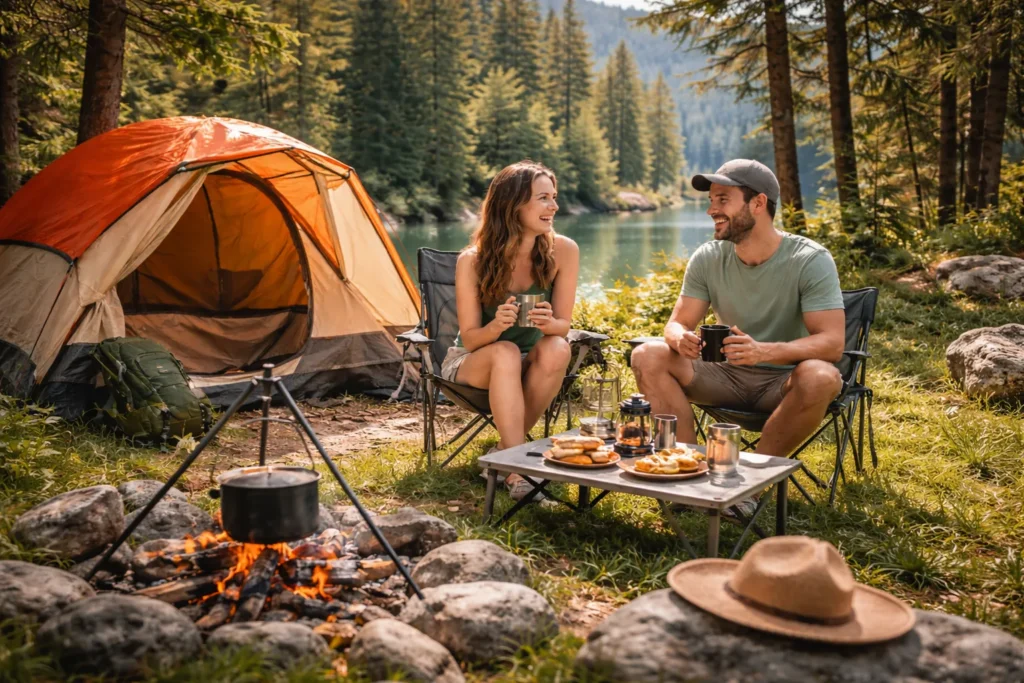
They should prioritize shade, airflow, and access to water when selecting a site. Look for campsites with morning sun and afternoon shade—under deciduous trees or beside a ridge that catches breezes—so tents stay cooler in the hottest hours.
They should avoid low-lying spots that collect heat and mosquitoes. Instead, pick slightly elevated ground for better airflow and fewer insects, and check for nearby water sources for cooking and cooling but stay at least 200 feet away to protect the environment.
They should verify ground conditions and exposure. Firm, level ground reduces condensation and improves sleeping comfort; a site with natural windbreaks helps during sudden storms. Confirm campsite regulations on open fires and food storage, and scout for nearby sanitary facilities.
Staying Cool in Hot Weather
They should orient the tent to maximize cross-ventilation—windows or mesh panels facing prevailing winds help. Use a lightweight, breathable tent with large mesh panels and remove the rain fly when dry to increase airflow.
They should adopt daily routines to avoid peak heat. Schedule hikes and chores for early morning or late afternoon, rest in shade midday, and use damp bandanas or portable shade shelters to lower body temperature quickly.
They should use cooling tools and clothing intentionally. Wear loose, light-colored, moisture-wicking fabrics and a wide-brim hat. Bring a small solar or battery fan, an insulated sleeping pad, and ventilated camp chairs; freeze water bottles to use as coolers for feet or to chill food.
Hydration and Nutrition
They should plan for at least 1–1.5 liters of water per person per hour of strenuous activity in hot conditions, more if humidity is high. Carry extra water and know refill points; use water filters or purification tablets as backups when relying on natural sources.
They should balance electrolytes and calories. Include salty snacks, electrolyte tablets, and easy-to-digest proteins like jerky or pre-cooked chicken. Avoid heavy, greasy meals midday—opt for smaller, frequent meals that replenish sodium and potassium without causing sluggishness.
They should manage food storage to prevent spoilage. Use insulated coolers with ice packs and keep perishable items in sealed containers. Rotate cooler contents, store food in shade, and plan for meals that require minimal refrigeration or use dehydrated options for longer trips.
Sun Safety and Protection
They should use broad-spectrum sunscreen SPF 30+ and reapply every two hours or after sweating or swimming. Apply sunscreen to ears, neck, the tops of feet, and the back of the hands—areas often missed.
They should protect eyes and skin with physical barriers. Wear UV-rated sunglasses, a wide-brim hat, and long sleeves made from lightweight, breathable fabric during peak sun. Use a UPF-rated tarp or canopy to create shaded communal areas.
They should monitor for heat-related and sunburn symptoms. Know signs of sunburn, heat exhaustion, and heatstroke—dizziness, confusion, excessive sweating or lack of sweating—and have a plan to move someone to shade, cool them with damp cloths, and seek medical help if symptoms worsen.
Gear and Packing for Warm Weather
Pack items that prioritize ventilation, sun protection, and lightweight comfort. Focus on breathable shelter, moisture-wicking clothing, and targeted pest control, plus a compact first-aid kit tailored for heat-related issues.
Lightweight Tents and Sleeping Bags
Choose a tent with large mesh panels and at least two doors for cross-ventilation. A three-season tent without a full-coverage rainfly or with a removable fly reduces trapped heat; consider a tarp-style shelter for car camping to maximize airflow. Look for fabrics with a high UV rating and a bathtub floor to keep bugs and ground moisture out without adding bulk.
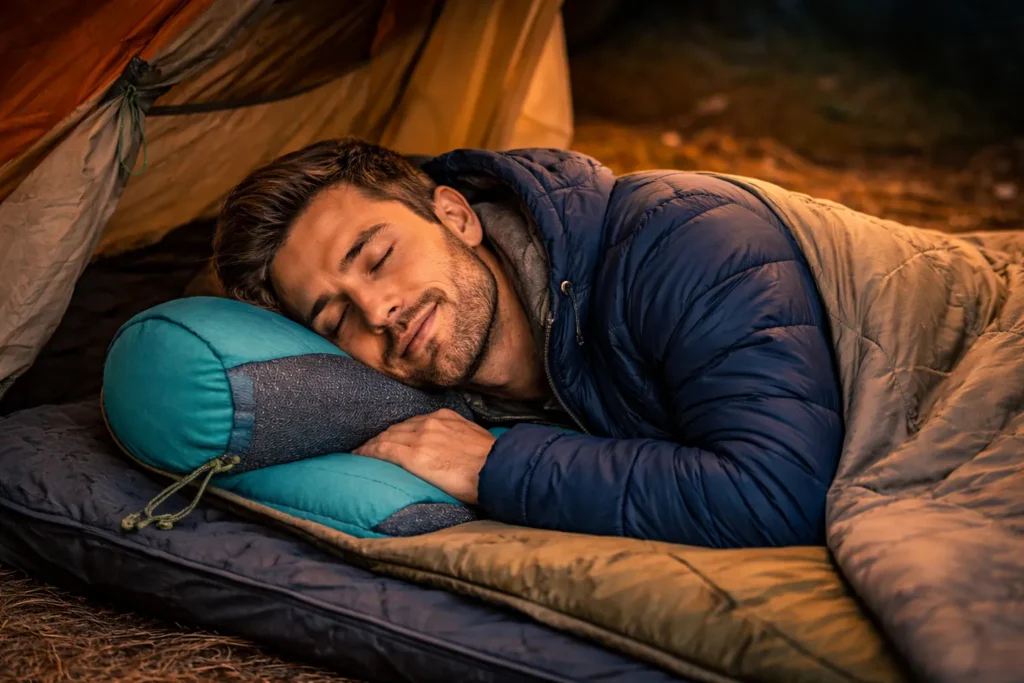
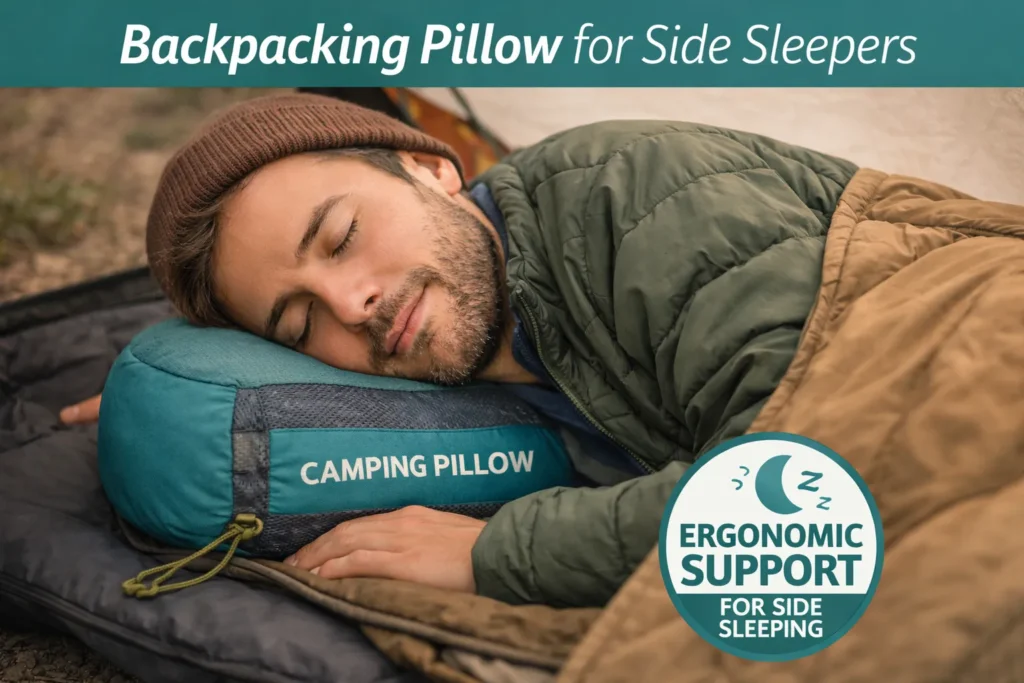
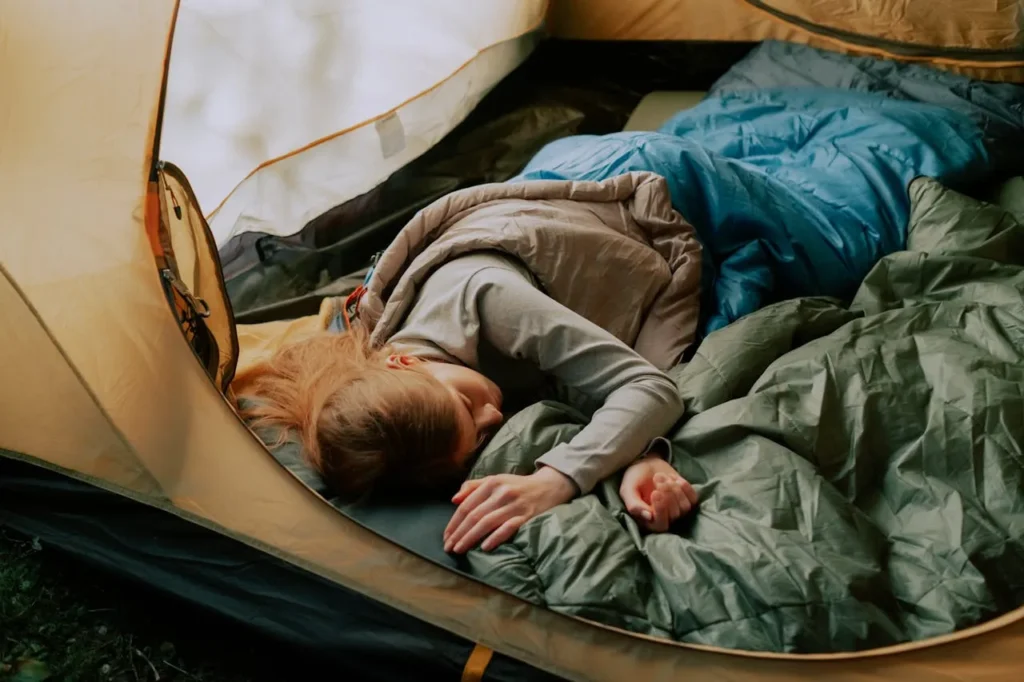
For sleeping, select a lightweight quilt or a summer-weight sleeping bag rated to 35–50°F (2–10°C) or a temperature-neutral pad plus a breathable sheet. Use an inflatable sleeping pad with reflective insulation if nights may stay warm but dew is heavy. Pack a small, USB-rechargeable fan and a silk or cotton liner to increase comfort without extra warmth.
Appropriate Clothing and Footwear
Prioritize fabrics that move moisture away from skin: merino wool blends, polyester blends labeled “moisture-wicking,” and lightweight nylon. Pack a wide-brim hat with a chin strap, UV-blocking long-sleeve shirt for mid-day protection, and quick-dry shorts or convertible pants for hikes. Bring at least one light insulating layer for cooler dawns.
Footwear should include breathable trail shoes or sandals with toe protection for camp use, and a pair of hiking boots if terrain demands ankle support. Carry two pairs of socks—one for hiking, one to swap into at camp—and include gaiters for dusty trails. Store damp clothes in a mesh bag to dry and prevent mildew.
Bug Prevention and First Aid
Use an EPA-registered insect repellent containing 20–30% DEET, 20% picaridin, or oil of lemon eucalyptus for effective bite prevention. Bring permethrin-treated clothing or spray gear and a headnet for high mosquito or blackfly areas. Pack citronella candles or a small propane mosquito trap for sitting areas, and seal food in odor-proof containers to avoid attracting insects and wildlife.
Assemble a compact first-aid kit with blister care (moleskin, adhesive bandages), sting relief (antihistamine tablets and hydrocortisone cream), and electrolyte packets for heat stress. Include a thermometer, sterile saline, tweezers, and a small oral rehydration solution. Keep medications in a waterproof pouch and store the kit in an accessible, shaded spot in camp.